Ascend Hospice & Palliative Care
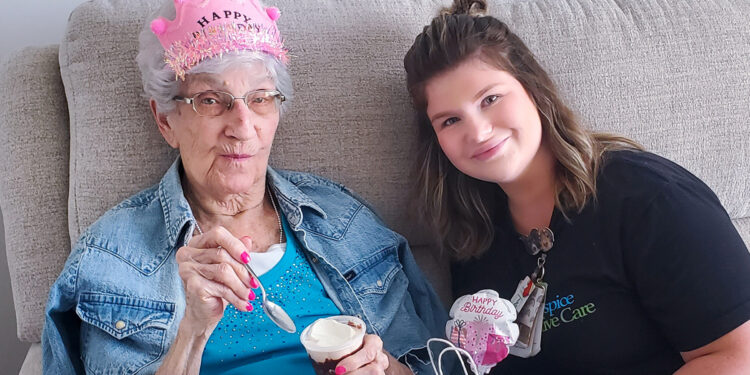
Article by Corrin Ayers
Final Wishes Program

Chris Cole
For Chris Cole, BSW, Missouri Director of Business Development at Ascend Hospice & Palliative Care, hospice care is about more than managing symptoms. It’s about finding out what matters to someone and helping them experience it, even near the end of life.
Cole has a bachelor’s degree in social work, but hospice wasn’t where she expected to end up. She was initially interested in working with underserved adolescents. That changed after a friend who worked as a hospice nurse described what it was like to be at a patient’s bedside near the end of life.
“Hospice gives you the privilege of walking alongside someone as they cross the bridge from fear and anxiety to comfort and peace,” her friend told her.
Cole knew then that she wanted to do something that impactful.
She had also volunteered in an adopt-a-grandparent program in high school, visiting her adopted grandmother every two weeks. At the time, she simply enjoyed spending time with her. Looking back, she recognizes how much that experience taught her about the importance of connecting with older adults, many of whom don’t receive as much company or attention as they need.
Today, Cole helps spread the word about Ascend and what makes its approach different. She never expected to work in marketing, but as the organization grew, she wanted more people to know about the care it provides.
“We were very small, and I remember thinking everything we do is so stellar, I wanted the world to know about Ascend,” she says.
One part of that work is Ascend’s final wishes program. Cole’s favorite question to ask patients is, “What is most important to you right now?”
The answers aren’t always complicated. Patients may want to spend time at home, see a favorite person, or do something they have always enjoyed. Others want one last opportunity to gather the people they love.
For one couple, both receiving hospice care, that meant a family picnic on the land where they had built their home and raised their children. They wanted to gather with their loved ones, share stories, and reminisce about their life together.
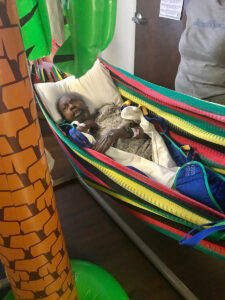
Another patient had spent years on dialysis before deciding to stop treatment. He told the team he had always wanted to sit in a hammock.
Within hours, Ascend’s social worker had brought one to the nursing home. The patient also wanted chicken wings, Jim Beam with his physician’s approval, and reggae music. The chaplain brought inflatable palm trees.
“He smiled ear to ear,” Cole says. “He was so in awe that we had done that for him.”
After years of treatment, he wanted to enjoy his time rather than spend more of it feeling sick. Something as simple as a hammock gave him a chance to relax and enjoy a moment that was entirely his own. For Cole, it’s an example of how choosing comfort doesn’t mean giving up. It means deciding what matters most with the time you have.
Not every final wish involves an outing. One woman living with dementia could no longer remember her children, but she still loved Elvis Presley. She even had a life-size cutout of him. For her birthday, the Ascend team arranged for an Elvis impersonator to visit.
 She knew every word to the songs. The performer was so moved by her reaction that he later asked if he could sing at her funeral.
For her family, the visit offered a chance to see her happy and connected to something she loved. It was a glimpse of the person she had been before dementia changed her life, and a memory they could carry with them after she was gone.
Other wishes can be just as personal. One woman wanted to return to the hair salon she had visited for years to see her favorite stylist. Some patients want to go fishing, while others hope to see Christmas lights or spend a holiday with family. For others, the most important wish may be reconciling with someone they’ve been estranged from.
Cole says these experiences are meaningful for the Ascend team, too. Hospice work includes difficult conversations, care coordination, and supporting families through loss. Being part of a moment that brings joy to a patient and their loved ones can be a welcome change. It’s an opportunity to care for the whole person not just their diagnosis. Cole and the Ascend team believe everyone deserves to feel seen and celebrated.
“To be allowed into these personal moments, it means everything to us,” she says. “What a privilege.”
Ascend goes above and beyond to ensure their patients have a dignified passing, and they place just as much importance on helping  them live well until that time comes.
The impact often extends well beyond the day a wish is fulfilled. Families get to see their loved ones enjoy something familiar, share a laugh, or reconnect with a part of themselves that illness may have made harder to reach. Those memories can be especially meaningful after a loved one passes.
Cole hopes more families will talk about end-of-life wishes before a diagnosis or crisis makes those conversations more difficult. Knowing what a loved one wants can ease the burden of making decisions later, especially when families are unsure what they would have chosen.
“Our culture doesn’t like to discuss what end of life looks like, but it is such a relief later,” she says.
Even a simple conversation about wanting to be at home rather than in a hospital can give family members valuable guidance. Cole encourages people to talk about what comfort looks like to them, where they want to be, and who they want around them.
With the holidays approaching, those wishes might mean gathering around the Thanksgiving table or taking a drive to see Christmas lights. Cole hopes families won’t wait for the perfect time to have these conversations. They may be uncomfortable at first, but they can bring peace of mind when it matters most.
“Giving the family a beautiful moment that they can look back on long after their loved one is gone,” Cole says. “That is what we are here for.”

For more information on
Ascend’s Final Wishes Program visit
ascendhealth.com/programs/life-review-program/