BEYOND BEDSIDE
Article by Ann E. Butenas
At MidAmerica Rehabilitation Hospital, Certified Rehabilitation Registered Nurses
pair specialized expertise with around-the-clock encouragement to help patients reclaim their independence.

Erin Kelly
When a patient leaves an acute care hospital after a stroke, spinal cord injury, or brain injury, the crisis may be over, but the hard work of recovery remains. At MidAmerica Rehabilitation Hospital in Overland Park, nurses guide that work in large part, holding a credential many people may not have even heard of: CRRN, which stands for Certified Rehabilitation Registered Nurse.
The certification recognizes rehabilitation nursing as a specialty with its own body of knowledge and expertise. For Erin Kelly, BSN, RN, CRRN, a hospital clinical educator at MidAmerica, earning it deepened her knowledge and showed her commitment to the field.
“Rehab nurses need such a broad knowledge base because our patients can have very complex medical needs while also working toward functional goals,” she said.
Alex Anderson, CRRN, CCM, a certified case manager at the hospital, pursued the credential for similar reasons. Anderson was drawn to the holistic nature of rehab nursing, which supports emotional well-being, education, and empowerment alongside physical recovery.
“I decided to pursue my CRRN because I wanted to strengthen my knowledge and help people achieve the highest level of independence and function possible,” Anderson emphasized.

Alex Anderson
For patients, Anderson added, that means care from a nurse who understands not only their medical needs but also the physical, emotional, and social challenges of recovery, and because the field keeps evolving, maintaining the credential matters as much as earning it.
A Different Focus
Both nurses described the same fundamental shift. Acute care centers on treating the illness or injury and managing urgent needs. Rehabilitation still involves complex medical care, but it adds a bigger question.
“How do we help this person function as independently and safely as possible?” Kelly noted.
That question shapes how nurses approach even the most routine tasks.
“The goal isn’t simply to do things for the patient,” she said. “Whenever possible, the goal is to teach and encourage them to safely do as much as they can for themselves.”
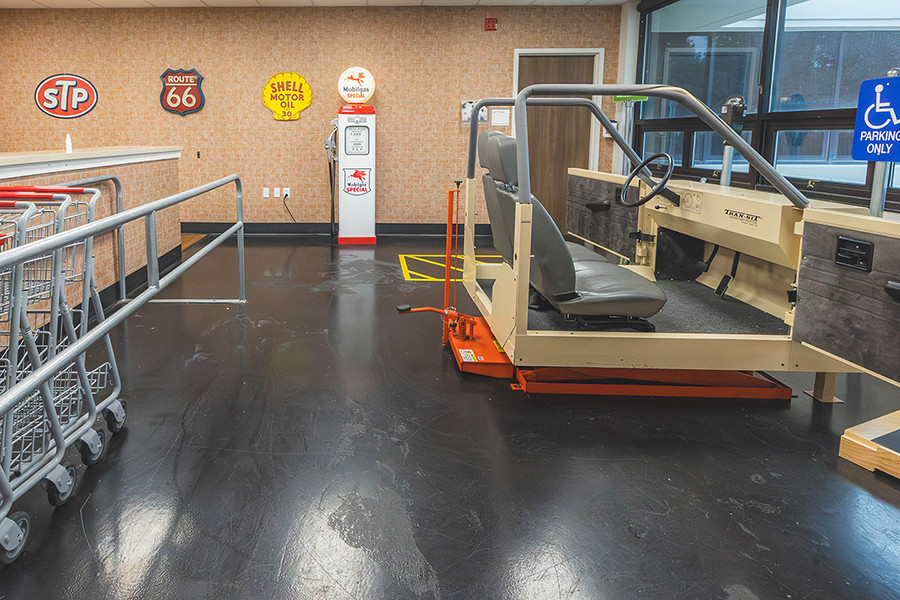
That work doesn’t stop when a therapy session ends. Nurses carry it through the rest of the day, Anderson explained, working with physical therapists on safe mobility, transfers, and fall prevention, with occupational therapists on dressing, bathing, and grooming, and with speech therapists on swallowing precautions and communication strategies.
“Ultimately, I see rehabilitation as a team effort,” Anderson reflected.
As a case manager, Anderson often starts the day reviewing patient updates and meeting with physicians, nurses, and therapists to discuss each patient’s progress, barriers to recovery, and discharge needs. MidAmerica also holds disease-specific care certification from The Joint Commission for its Stroke, Brain injury, Spinal cord injury, Parkinson’s disease, and Amputee rehabilitation programs.
Harder Than It Looks
One common misconception, Kelly said, is that patients well enough to leave an acute care hospital no longer need intensive nursing. In reality, they often arrive with complicated wounds, feeding tubes, respiratory needs, significant medication regimens, and multiple chronic conditions.
Anderson pointed out how much clinical judgment, patience, and creativity the work requires, especially knowing when to step back.
“As nurses, our instinct is often to help, but in rehabilitation, we have to balance safety with giving patients the opportunity to practice and regain their abilities,” Anderson emphasized.
Kelly sees the same balance.
“Sometimes helping someone regain independence means allowing them the extra time to do something themselves, even when it would be quicker for us to do it for them,” she said.
Moments That Last
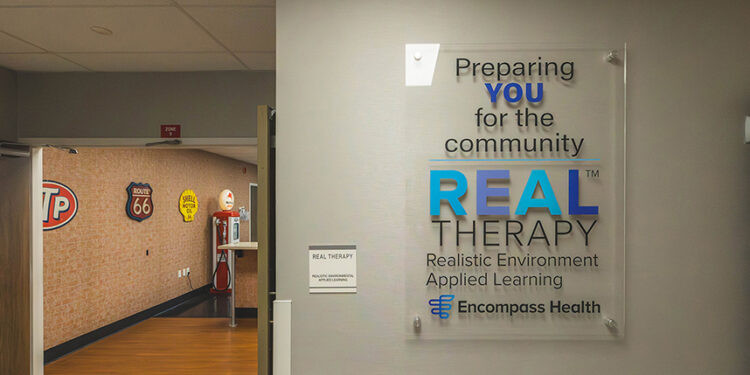
Kelly still remembers a 20-year-old patient who arrived with paraplegia after a spinal cord injury. By discharge a couple of weeks later, he was handling his daily care with little to no help, transferring to his wheelchair on his own with a slide board, and managing his bladder himself. His family and friends modified his home so he could keep that independence.
Anderson recalled a patient from several years ago who arrived with a cervical injury and was paralyzed from the injury down. Anderson built a relationship with the patient and his spouse and saw them regularly in the community. The patient regained his ability to walk, though he did not regain much use of his arms, and returned to the hospital to mentor other patients.
“Watching someone accomplish something they didn’t think they would be able to do again and seeing their confidence come back is one of the reasons rehabilitation nursing is so rewarding,” Kelly reflected.
Getting Ready for Home
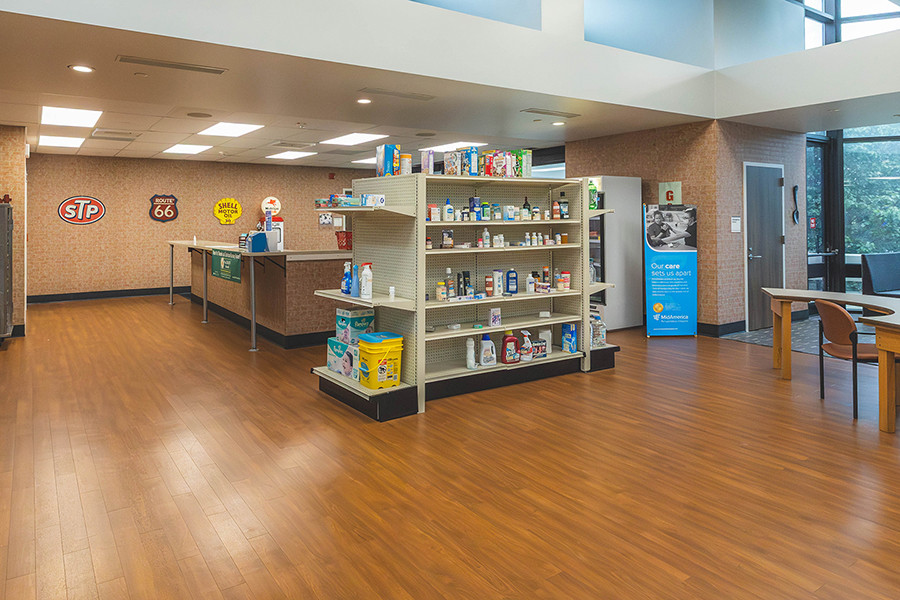
Preparing families starts well before discharge. At MidAmerica Rehabilitation Hospital, Anderson explained that patients and caregivers meet with the care team, including the physician, therapists, CRRN, and case manager, to discuss what the patient will require at home, followed by hands-on training. Kelly added that education can cover medications, transfers, equipment, and warning signs, and that families need time to practice and ask questions.
For families whose loved one is about to begin inpatient rehab, both nurses offered nearly identical advice.
“Be patient, stay involved, and remember that rehabilitation is a journey, not a race,” Anderson said, adding that every patient progresses at their own pace. “There will be good days and challenging days, so it is important to celebrate the small victories and not become discouraged by setbacks.”
Kelly offered the same encouragement.
“Celebrate the small victories,” she said. She noted that standing a little longer or putting on a shirt without help can reflect real progress, and recovery isn’t always a straight line.
A Lasting Difference
Today, Kelly trains and supports MidAmerica’s clinical staff, which lets her impact patient care on a larger scale.
“If I can help a nurse or RNT become more knowledgeable, confident, and competent, that ultimately translates into better care for many patients,” she said.
Both nurses encourage nursing students to take a closer look at the specialty. Anderson suggested spending time on a rehab unit and learning from experienced nurses, noting that the relationships built with patients and their families may become one of the most meaningful parts of a nursing career.
“In rehabilitation nursing, success isn’t always about curing a condition,” Anderson said. “It’s about helping someone regain the ability to do something they thought they had lost forever.”

For more information aboutMidAmerica Rehabilitation Hospital
visit www.midamericarehabhospital.com
or call 913.491.2400.